

Third Pair
All Quiet on the Western Front (2K Digitally Restored Version)
Dir: Lewis Milestone
Orig Story: Erich Maria Remarque
Scrs: Maxwell Anderson, George Abbott, Del Andrews, C. Gardner Sullivan
Prod Co: Universal
Cast: Lew Ayres, Louis Wolheim, John Wray
1930 | B&W | DCP | English | Chinese Subtitles | 133min
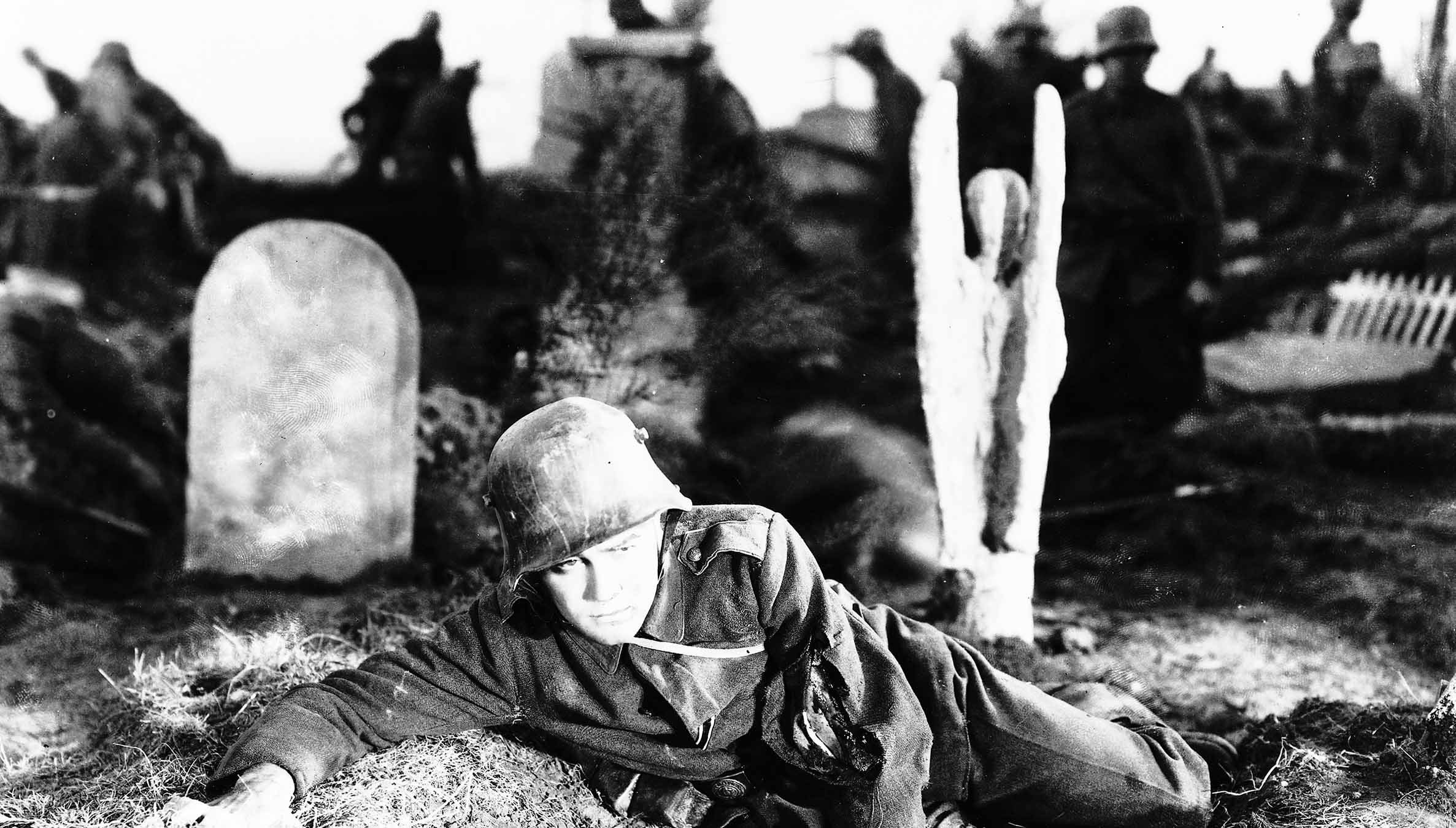
Directed by Lewis Milestone, All Quiet on the Western Front is regarded as cinema’s first definitive anti-war ‘talkie’. Adapted from German author Erich Maria Remarque’s 1929 novel of the same name, it was released just twelve years after World War I and nine years before World War II. The story follows German schoolboy Paul (Lew Ayres) and his classmates whose patriotic enthusiasm for glory wanes once they enlist. Consumed by fear and having witnessed the gruesome deaths of his peers, superiors and friends, Paul is left with nothing but utter loathing for wars.
As Remarque and many of the film crew had combat experiences, the film employs an extremely realistic and modern style to deliver an unflinching critique of war. In the harrowing shell-hole scene, Paul stays with the slowly dying enemy soldier he stabbed and is forced to confront their shared humanity. In the film’s iconic final sequence, Paul reaches out for a butterfly―and the film ends with a devastatingly calm yet powerful indictment of war and senseless loss.
Filled with anger, sorrow, helplessness, and lament, the film rejects the notion of war as a path to peace or fulfillment of personal ideals. Although All Quiet on the Western Front and The Warlords are separated by cultural differences and 77 years in making, their sentiments are remarkably aligned.
Images courtesy of Park Circus/Universal
| Date | Time | Venue |
|---|---|---|
| 24/5/2026 (Sun) [Full House] + | 7:00pm | Cinema, Hong Kong Film Archive |
The contents of the programme do not represent the views of the presenter. The presenter reserves the right to change the programme should unavoidable circumstances make it necessary.