

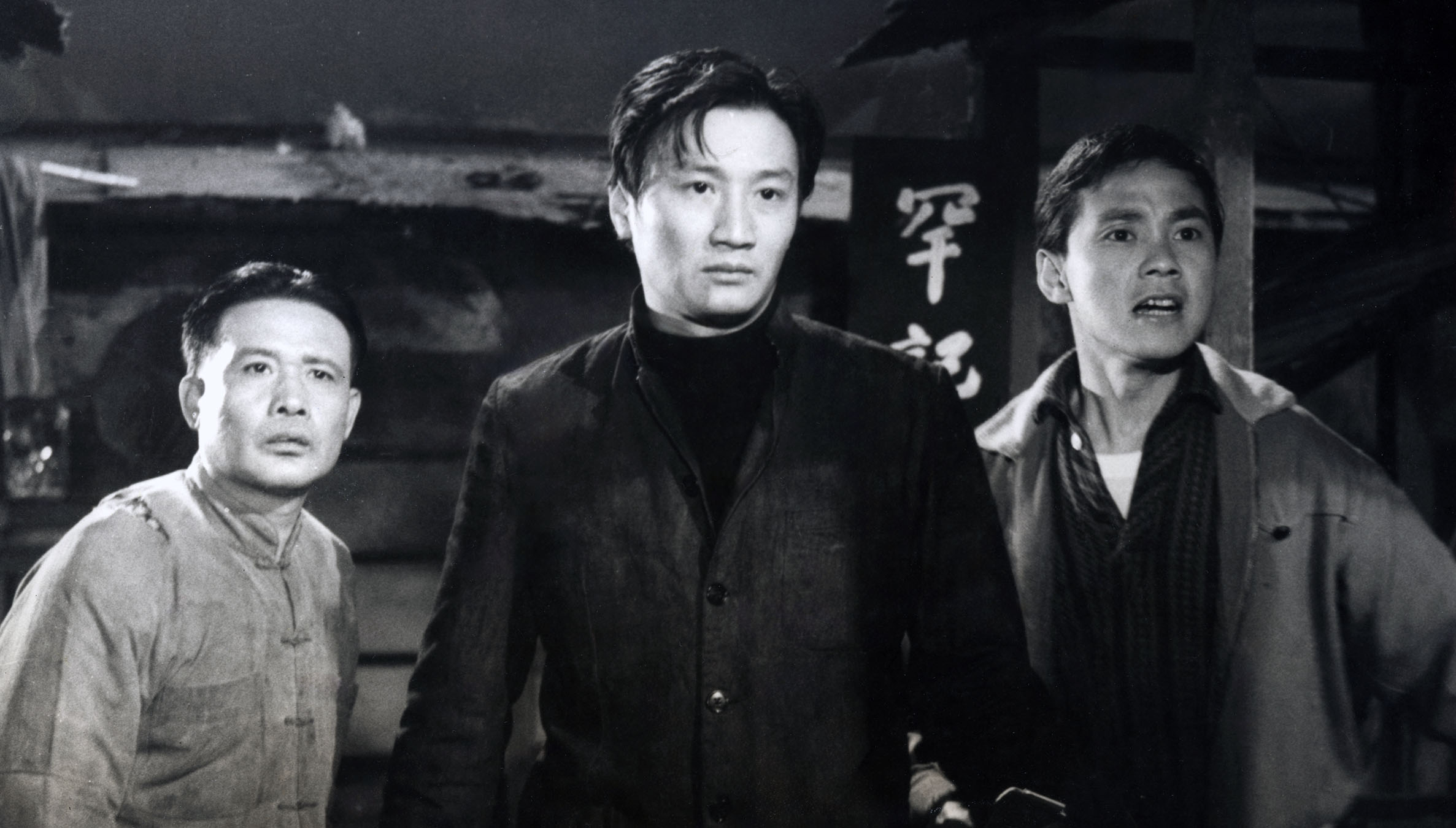
Closing Film
The Story of a Discharged Prisoner (4K Digitally Restored Version)
Hong Kong Premiere
Dir/Scr: Patrick Lung Kong
Prod Co: Sun Ngee
Cast: Patrick Tse Yin, Sek Kin, Patsy Kar Ling, Wong Wai, Patrick Lung Kong
1967 | B&W | DCP | Cantonese | Chi & Eng Subtitles | 111min
Showing with
In Search of 1973's The Story of a Discharged Prisoner
A landmark of Hong Kong’s realism cinema, The Story of a Discharged Prisoner is widely regarded as a precursor to the "heroic bloodshed" films of the 1980s. It notably inspired John Woo’s A Better Tomorrow (1986), which shares the same Chinese title. The film follows Lee, an ex-convict played by Patrick Tse Yin, as he struggles to reintegrate into society after his release from prison. Director and screenwriter Patrick Lung Kong offers a powerful portrayal of the hardships faced by former prisoners in 1960s Hong Kong, from unemployment to deep-rooted social prejudice, elevating a social issue into compelling cinema.
Shot extensively on location, the film contrasts the city’s impoverished districts with its more prosperous areas, highlighting stark social divisions. Tse sheds his usual suave screen persona to deliver a restrained and internalised performance that captures Lee’s frustration and desperation. Blending elements of film noir and melodrama, the film helped shape the moral framework of Hong Kong crime cinema, introducing long-lasting themes of loyalty and redemption. Lung Kong’s work is both socially conscious and artistically ambitious, marking a significant moment in the evolution of the territory’s film industry.
This screening is based on a 16mm print from the Hong Kong Film Archive, digitally restored from the 1973 re-edited version by Wong Yee-shun, with improved sound and image quality for contemporary audiences.
Courtesy of Film Magic Pictures Limited
| Date | Time | Venue |
|---|---|---|
| 17/5/2026 (Sun) + | 7:00pm | The Hall, East Kowloon Cultural Centre |
The contents of the programme do not represent the views of the presenter. The presenter reserves the right to change the programme should unavoidable circumstances make it necessary.